
The growing international influence of South African music
South African popular music has become an increasingly visible part of the global entertainment industry. Genres such as amapiano, afro-house, gospel, and kwaito have expanded far beyond regional audiences, gaining attention across Europe, North America, and other parts of Africa. Streaming platforms and social media have accelerated this process, allowing artists to reach listeners worldwide without relying entirely on traditional music distribution systems.
This international growth reflects more than just musical trends. South African artists bring distinct cultural influences, local languages, and unique rhythmic structures that help their music stand out in a highly competitive entertainment landscape. As a result, the country’s music scene contributes not only to entertainment, but also to cultural representation globally.

Digital platforms changing the music industry
The rise of digital platforms has significantly transformed how South African music is produced, promoted, and consumed. Artists can now release music independently, build audiences through social media, and interact directly with listeners. This reduces barriers that previously limited access to international markets.
Streaming services also influence listening habits by exposing audiences to music from different regions and cultures. Viral trends, short-form videos, and online communities help songs spread rapidly across borders. In many cases, international recognition begins online before reaching traditional media channels.
Amapiano and the evolution of modern entertainment
Among recent musical movements, amapiano has become one of the strongest examples of South Africa’s impact on global entertainment culture. Its combination of deep house, jazz influences, and local rhythms created a sound that quickly gained popularity in clubs, festivals, and digital platforms worldwide.
What makes amapiano particularly successful is its adaptability. The genre works both as mainstream entertainment and as a cultural expression connected to local communities and urban experiences. This balance between authenticity and accessibility allows South African music to appeal to a broad international audience.
Music, audience engagement, and digital interaction
Modern entertainment increasingly depends on interaction rather than passive consumption. Audiences engage with music through streaming, online discussions, dance trends, and live digital content. This creates stronger emotional connections between artists and listeners while expanding the global reach of entertainment industries.
Entertainment ecosystems are also becoming more interconnected. Sports, gaming, music, and online media often overlap within the same digital environments. Interest in formats connected to sports betting odds reflects how audiences engage with entertainment through real-time interaction and shared online experiences.
Cultural identity in a globalized industry
Despite increasing globalization, South African music continues to maintain a strong cultural identity. Local languages, regional sounds, and community influences remain central to many popular artists and productions. This authenticity helps distinguish South African music within an international market saturated with similar trends.
At the same time, collaboration with international artists and producers continues to grow. These partnerships create opportunities for wider exposure while introducing global audiences to new cultural perspectives.
Live performances and international festivals
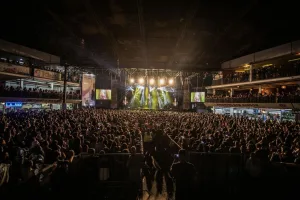
International festivals and live performances play a major role in expanding South African music’s visibility. Artists increasingly perform abroad, participate in global collaborations, and attract international audiences interested in African music culture. These events strengthen both cultural exchange and the commercial side of the entertainment industry.
Festivals also create opportunities for tourism, media attention, and international partnerships. In many cases, music becomes part of a broader cultural image associated with creativity and diversity.
Economic opportunities within the entertainment sector
The growth of South African music contributes to broader economic development within the entertainment industry. Increased streaming numbers, international licensing, concerts, and brand partnerships create new revenue opportunities for artists, producers, and related businesses.
Digital distribution also allows smaller creators to enter the industry more easily, encouraging diversity and innovation.
Conclusion: South African music in the global entertainment landscape
South African popular music continues to strengthen its position within the global entertainment industry through cultural authenticity, digital innovation, and growing international recognition. Genres like amapiano demonstrate how regional music can influence worldwide entertainment trends while preserving local identity.
As digital platforms continue reshaping audience behavior, South African artists are increasingly positioned to expand their global reach. By combining cultural heritage with modern production and online engagement, the country’s music industry remains an important part of the international entertainment landscape.